
Why Social Casino Games Are More Accessible Today
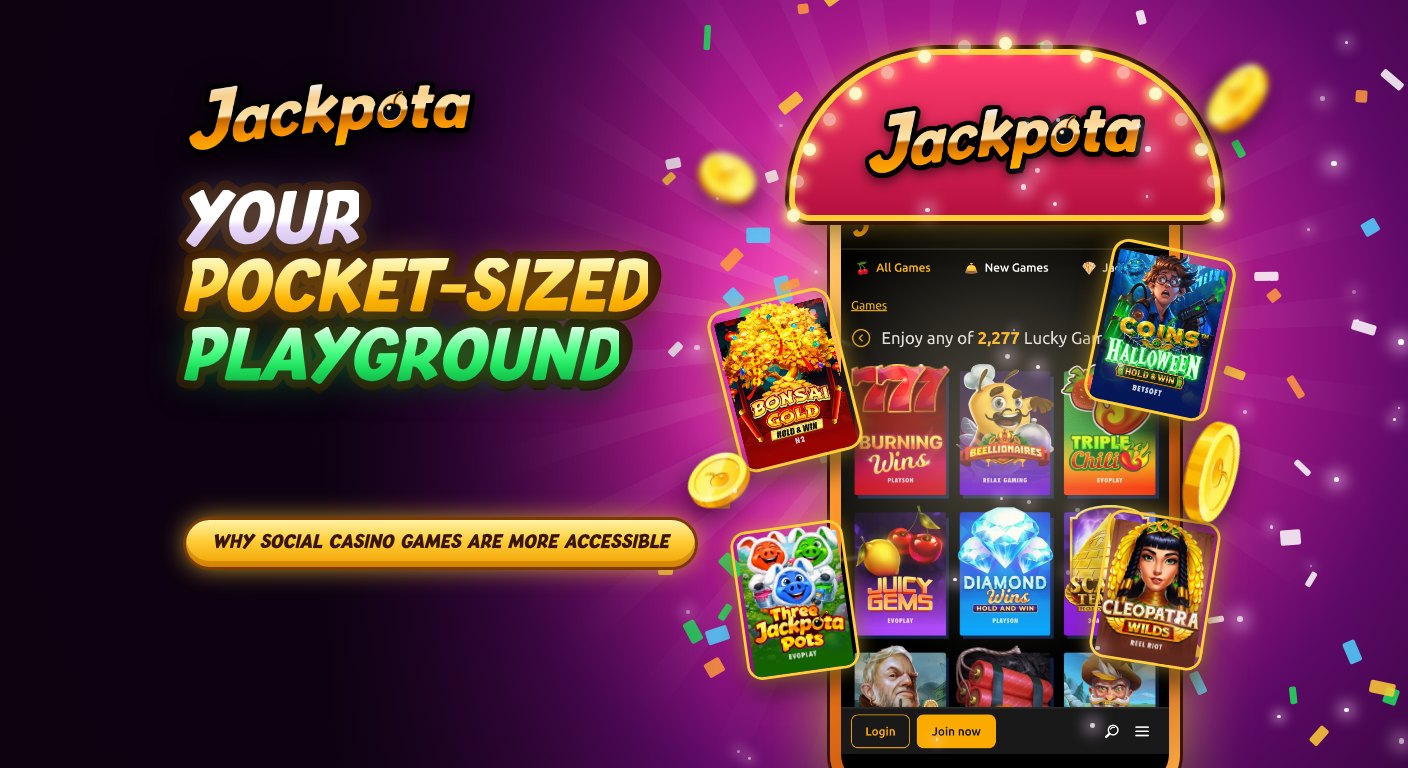
If casino-style games feel easier to get into than they used to, that's by design. Over the past several years, the way these platforms are built has shifted toward accessibility, comfort and letting the player decide how much to do.
I've spent a lot of my career on the product side of social casino platforms, and that shift explains a lot about how people use them today, including how we think about Jackpota. Here's what changed and why it matters.
Exploration became the default
Earlier online casino-style games often felt structured. You were expected to commit to a session before you really knew what a game offered.
Modern social casino games work the other way around. You open a game, look at the reels, try it for a moment and close it whenever you like. Nothing asks you to commit up front, and that freedom changes how people approach the whole experience. Exploring stops being something you hesitate to do.
It's the same pattern as the rest of your phone
None of this is unique to social casinos. Streaming apps, mobile games and most modern software follow the same idea: let people look around first, and let the product explain itself as they go.
When casino-style games adopt that pattern, they simply feel familiar. You already know how to browse, tap in, back out and come back later.
People explore differently when nothing is at stake
When trying something costs nothing, behavior changes. People sample more games, move between them more freely and don't feel locked into one experience.
One thing that stands out from the product side is how comfortably people step away mid-session. They'll try a game for a few minutes, close it and return another day without feeling they left anything unfinished. That flexibility makes the whole thing easier to fit around everyday life, which is exactly where entertainment belongs.
First visits are deliberately simple
Good onboarding in this space means getting out of the way. A newcomer should be able to open a game and understand it by looking, with features revealing themselves naturally instead of through a wall of instructions.
That matters most for people who've never played a casino-style game. And it's built on an honest assumption: not every game will click, and not every visit will be long. The design should be fine with that.
Designing for very different players at once
A platform like ours has to work for several kinds of people at the same time. Some visitors are brand new and just want to look around. Others know exactly which games they like and want to get to them quickly.
The answer isn't to steer either group. It's to remove friction: make games easy to find, easy to understand and easy to leave, so everyone can enjoy things at their own pace.
What's really different now
The biggest change isn't the games themselves. It's how the experience around them is structured. Sessions can be as short as you like, exploring is effortless and stepping away feels completely normal.
From a design point of view, that's the right direction. A game that respects your time and your choice to leave is simply a better piece of entertainment, and that's the standard we hold ourselves to.

Mike Rossi
Mike Rossi is a creative brand storyteller and product manager with hands-on experience building and shaping some of the leading social casino platforms. His work focuses on designing player-first experiences that balance creativity, clarity, and responsible gameplay. Mike now contributes to Jackpota, bringing a deep understanding of how thoughtful product design and storytelling can make social gaming more enjoyable and welcoming.
Related Articles
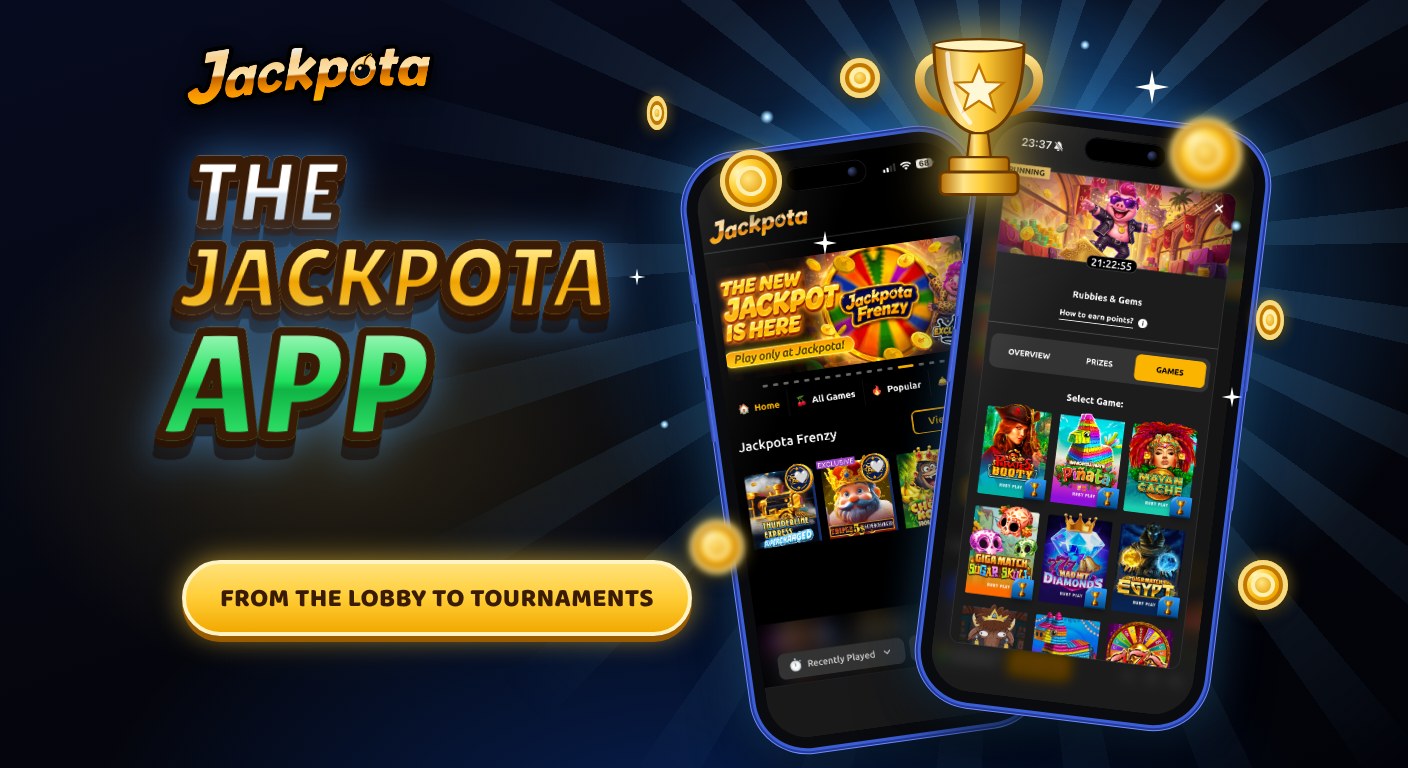
The Jackpota App: How It Works, From the Lobby to Tournaments
A plain walk-through of our free-to-play iPhone app: how to get it, finding your way around, and how tournaments let you play alongside others…
How to Choose the Right Social Casino Game for Your Playing Style
Picking a game gets easier when you start with how you like to play: your pace, how much complexity you enjoy, and the themes that make you smile…

Are Social Casino Games Really Free to Play?
Yes. Here's what you play with, what costs nothing, what's optional, and how social casino games differ from real-money gambling…