
Hold & Win Slots Explained: How Respins, Bonus Symbols and Jackpots Work
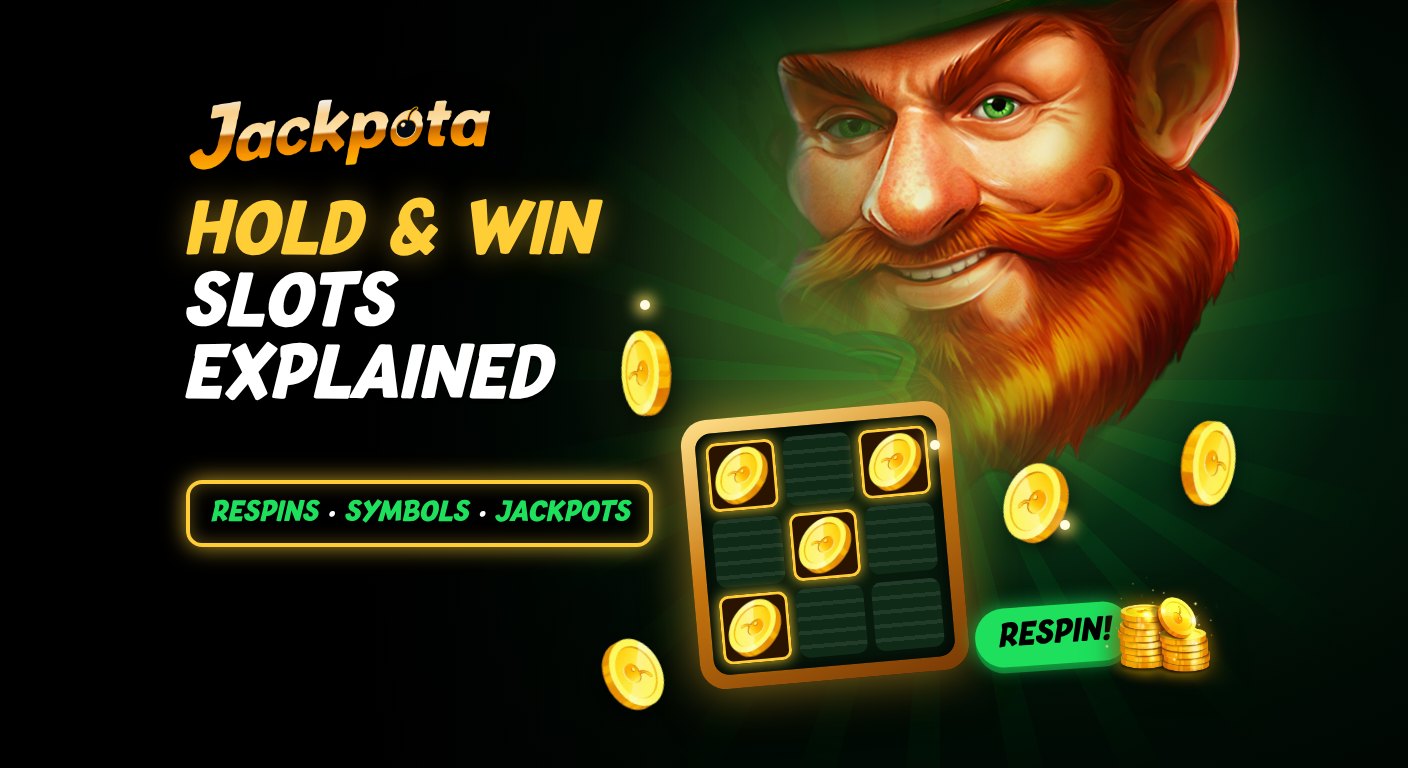
Hold & Win is one of those features you understand the moment you see it. A special symbol lands and stays put. The empty spaces spin again. Another symbol lands and joins the first. The board fills in front of you, one locked symbol at a time.
That's the whole idea, and it's a good one. From a design point of view, I like it because it turns a run of separate spins into something with a shape: a grid that builds, gets crowded and eventually resolves. Developers have built a surprising amount of variety on top of that simple loop, which is why two Hold & Win games can feel nothing alike.
What is a Hold & Win slot?
A Hold & Win slot is a slot with a respin feature in which certain symbols lock in place while the remaining positions keep spinning. The locked symbols stay on the grid until the feature ends.
The feature usually starts when enough qualifying symbols appear in the base game. How many are needed, and which symbols count, depends on the individual game.
Everything else you might see around it (jackpot tiers, multipliers, collectors) is something the developer chose to add. The lock-and-respin loop is the part that makes a game Hold & Win.
How the feature plays out on screen
The details change from title to title, but the sequence most games follow looks like this:
- Qualifying symbols start the feature. They stay where they landed.
- The empty positions respin. The locked symbols don't move.
- New qualifying symbols lock in too. In many games, each new one also resets the respin counter.
- The feature ends when the respins run out or when the game's own end condition is met.
What makes it fun to watch is the board itself. You aren't looking at a fresh set of reels each time. You're looking at the same grid with fewer open spaces and more going on, and that sense of progress is the design doing its job.
What can land during the feature?
There's no universal symbol set for Hold & Win. Depending on the game, you might see:
- Value symbols that display an amount or multiplier
- Multiplier symbols that change other values on the board
- Collector symbols that gather values from symbols already locked in place
- Jackpot symbols tied to named jackpot tiers
- Extra-respin or upgrade symbols that change how the round develops
Most games use only a few of these. Which ones a developer picks, and how they interact, is where individual titles get their personality.
Hold & Win and jackpots aren't the same thing
The two are often paired, so they're easy to blur together. Hold & Win describes the lock-and-respin mechanic. A jackpot is a separate feature that can be built around it.
Cleopatra Wilds Hold and Win is a good example. It pairs the Hold & Win feature with Sticky Wilds, a free-spin round and several named jackpot tiers. Our own Jackpota Hold and Win takes the same core format and connects it to Jackpota jackpot features.
Labels like Mini, Minor, Major and Grand tell you where a jackpot sits in a game's hierarchy. They don't tell you how that game handles it. For that, the game's own rules are the only reliable source.
Hold & Win vs. free-spin features
The quickest way to tell them apart is to watch the reels.
In a typical free-spin feature, every spin starts over with a new reel layout, even if extras like wilds or multipliers are active. Hold & Win keeps part of the previous result: locked symbols stay, and only the open spaces spin. Instead of a series of separate spins, you're watching one board develop.
The two can live in the same game, too. Cleopatra Wilds Hold and Win includes both.
A few Hold & Win games in our library
Our slots library shows how much range one mechanic can cover:
- Jackpota Hold and Win puts the classic lock-and-respin loop next to our own jackpot features.
- Cleopatra Wilds Hold and Win treats Hold & Win as one part of a bigger feature set, alongside Sticky Wilds and a free-spin round.
- Jackpota 777 Hold & Win brings the format into a classic 7s look, which is a nice reminder that the name describes a mechanic, not a template.
And not every jackpot-focused game uses Hold & Win at all. Three Jackpota Pots builds its jackpot features into a different format entirely.
What changes from one Hold & Win game to the next
Once the basic loop is familiar, the differences are what make the category interesting. Two games that look alike at first can differ in:
- what starts the feature
- how many respins it begins with, and what resets the counter
- which special symbols can appear
- whether there are jackpot tiers, collectors or multipliers
- what happens when the grid fills
- whether other features, such as Sticky Wilds or a free-spin round, sit alongside it
So "Hold & Win" tells you how the feature behaves. The rest of the game's design tells you what happens around it, and the paytable is where each game spells that out.
Frequently asked questions
How many respins does Hold & Win give you? It depends on the game. Many titles start the feature with a small set of respins and reset the count when a new qualifying symbol lands, but the exact number and reset rule are set by each game.
Does every Hold & Win game have jackpots? No. Plenty do, but jackpots are an optional layer. Some games focus on value symbols, collectors or multipliers instead.
Is filling the grid always tied to a Grand jackpot? No. Some games link a full grid to a specific jackpot or feature, and others don't. The game's own rules decide.
The short version
Hold & Win is easy to spot once you know the pattern: symbols lock, the open spaces keep spinning, and the board builds from there. What separates one game from another is everything designed around that loop, which is the part worth reading about in each game's info screen. It's entertainment first, and stepping away whenever you like is always fine.

Mike Rossi
Mike Rossi is a creative brand storyteller and product manager with hands-on experience building and shaping some of the leading social casino platforms. His work focuses on designing player-first experiences that balance creativity, clarity, and responsible gameplay. Mike now contributes to Jackpota, bringing a deep understanding of how thoughtful product design and storytelling can make social gaming more enjoyable and welcoming.
Related Articles
Why Egyptian Slots Never Go Out of Style
We counted 64 Egyptian-themed slots in our lobby from over 20 studios. Here's why designers keep returning to ancient Egypt, and why Cleopatra leads the way…
Inside Jackpota Manor: How We Made Halloween 2026 Memorable
Five chapters, a haunted manor full of characters and a jack-o'-lantern on our logo. A look back at how Halloween felt at Jackpota this year, and a peek at what's next…
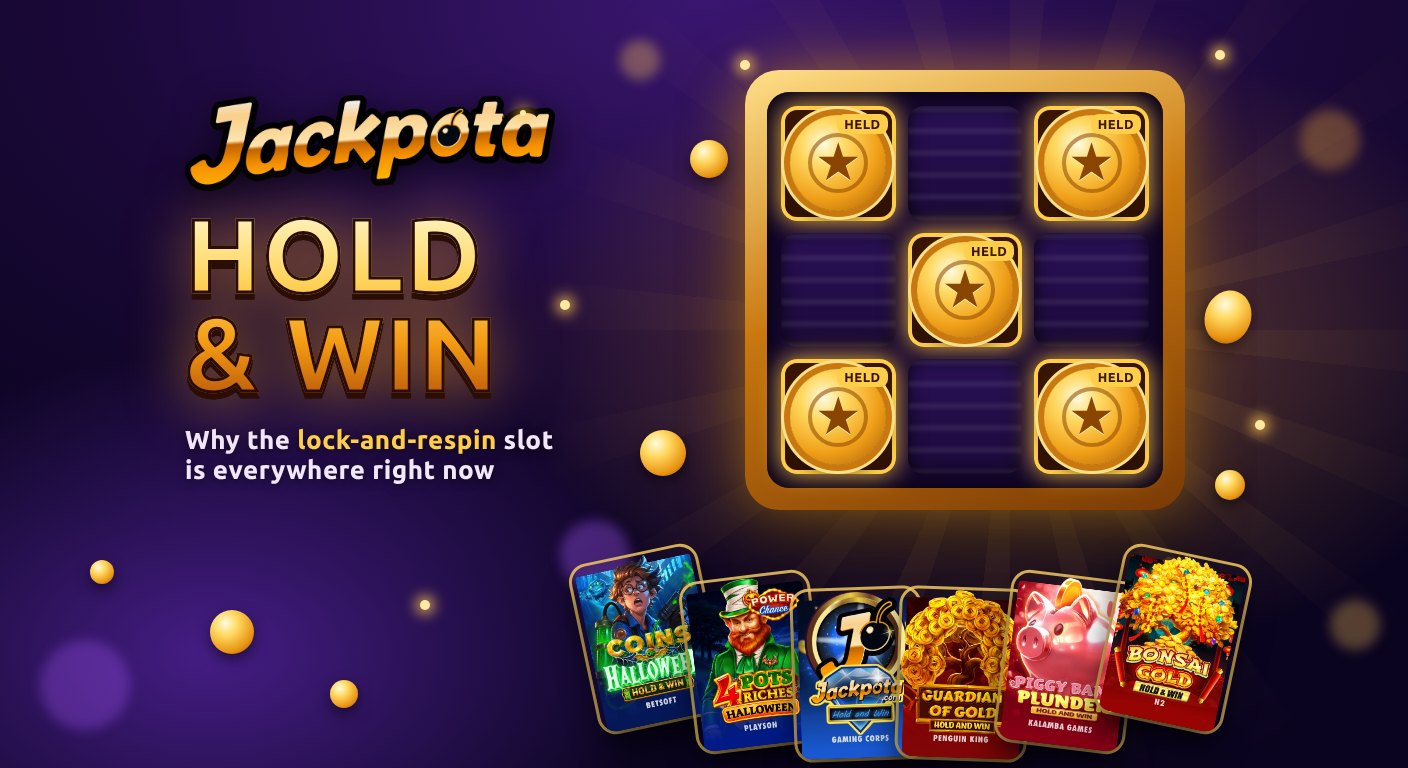
Why Hold & Win Slots Are Everywhere Right Now
Hold & Win has turned from a single slot feature into a whole design language. Here's why studios keep building on it, and how it shows up across Jackpota's games…