
Why Hold & Win Slots Are Everywhere Right Now
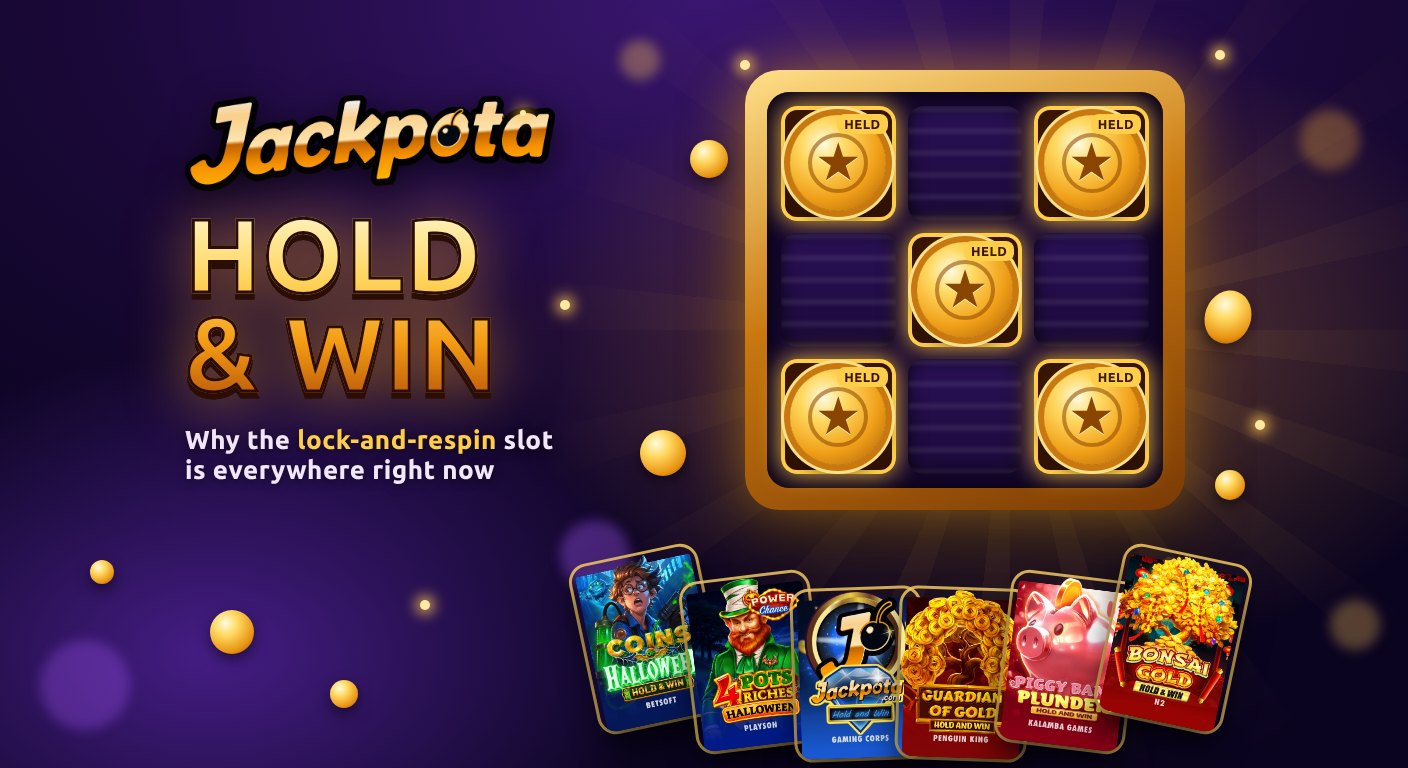
Open almost any slot lobby this year and you will run into the same two words over and over: Hold & Win. Sometimes they are spelled Hold and Win, sometimes the feature is renamed Hold the Spin or Hold & Hit, but the idea underneath is the same. A few years ago it was one feature among many. Today it is closer to a design language that studios use to build entire game families.
The Jackpota Hold & Win slots category shows how far that has gone. It lists more than 500 titles from a long list of studios, and they range from tiny 3x3 grids to big themed releases. Here is why the feature spread so widely, and what all that variety looks like on screen.
What "Hold & Win" means
Hold & Win is a respin feature in which certain symbols lock in place while the remaining positions spin again. The board fills up gradually instead of resetting after every spin, so a round becomes a small story with a beginning, middle and end.
If you want the step-by-step version, our Hold & Win slots explainer covers how respins, locked symbols and jackpot labels work. This article looks at the bigger picture: why so many games are built around the same idea.
Why studios keep coming back to it
It is easy to read at a glance
Most slot features need a moment of explanation. Hold & Win mostly explains itself. A symbol lands and stays, the empty spaces keep spinning, and the board gets fuller. You can follow the round without reading the rules first, which matters on a phone screen where nobody wants to dig through a help menu.
That readability also makes the feature a good fit for social casino play. You can watch a board come together and enjoy the visual build-up without feeling you need to master anything.
The feature carries the franchise, not the story
Playson is one of the studios most associated with the format. According to iGaming Business, the studio had released more than 45 Hold & Win titles since the feature debuted in Vikings Fortune: Hold & Win in 2019, ten of them in 2024 alone. The same piece makes a point I find genuinely interesting from a design angle: those games are not sequels to each other. The mechanic itself is the thread that ties one release to the next.
That is an unusual way to build a series. Instead of following a character, players follow a feature they already understand. A new theme can feel fresh while the core interaction stays familiar.
It is a flexible frame
Because the lock-and-respin core is so simple, studios can layer almost anything on top. Some add jackpot tiers above the reels. Others add multipliers, collector symbols or special symbols that change how a round plays. The grid size changes too.
Browsing Jackpota's Hold & Win category, a few variations stand out:
- Compact 3x3 grids. About two dozen titles carry "3x3" in their names, such as Voltage Blitz Egypt, Mega Zeus and Howling Inferno. Small grids keep the board easy to scan on mobile.
- Pot-style games. More than 20 titles put pots front and center, from 3 Pots Riches to 4 Clover Pots. In Playson's version of the format, as the studio describes it, the type of special symbol or pot that starts the feature determines which pot features become active.
- Renamed relatives. Hold the Spin, Hold & Hit and Hold & Blitz all sit in the same category and follow the same lock-and-respin idea under different branding.
Seasonal editions: same feature, new costume
The clearest sign that Hold & Win has become a platform rather than a single feature is the seasonal edition. Studios take an existing game, keep the mechanic and redress the whole thing for a holiday.
Halloween happens to be a perfect example this week. On Jackpota, the Hold & Win category currently includes:
- Coins of Halloween – Hold & Win by Betsoft, which swaps the usual coin theme for a ghost-hunting look.
- 4 Pots Riches Halloween: Hold and Win Power Chance by Playson, a Halloween take on the 4 Pots Riches game. It is tagged as a Jackpota Exclusive.
- 3 Haunted Cauldrons Hold and Win by Kalamba, a witch-themed game that is currently tagged New.
The pattern repeats through the year. The same category holds more than a dozen Christmas editions, and Irish clover and Egyptian themes each turn up again and again. The board you know stays put while the art, sound and symbols change around it.
Different themes, same feature
If you want to see how much a theme changes the feel of an identical idea, a few Jackpota titles make a good comparison:
- Jackpota Hold and Win by Gaming Corps is built around the Jackpota name itself.
- Piggy Bank Plunder Hold and Win by Kalamba leans into the playful piggy-bank theme that shows up in more than a dozen titles in the category.
- Bonsai Gold Hold & Win by N2 and Guardian of Gold: Hold & Win both lean hard into gold-coin art.
Each one uses the same basic mechanic, but each studio decides how the board looks, what the special symbols are and how the round is presented. For specifics on any single title, its in-game rules are the best source, since the details vary from game to game.
What to take away
Hold & Win spread because it does something rare: it is instantly understandable and endlessly reskinnable. Studios can build whole families around it, drop seasonal editions on a calendar and still give players something they recognize within a second of loading the game.
Like every game on Jackpota, these titles are free-to-play entertainment. Pick the themes you enjoy, keep sessions to whatever length feels right and step away whenever you like. The board will look just as good next time.

Mike Rossi
Mike Rossi is a creative brand storyteller and product manager with hands-on experience building and shaping some of the leading social casino platforms. His work focuses on designing player-first experiences that balance creativity, clarity, and responsible gameplay. Mike now contributes to Jackpota, bringing a deep understanding of how thoughtful product design and storytelling can make social gaming more enjoyable and welcoming.
Related Articles
Why Egyptian Slots Never Go Out of Style
We counted 64 Egyptian-themed slots in our lobby from over 20 studios. Here's why designers keep returning to ancient Egypt, and why Cleopatra leads the way…
Inside Jackpota Manor: How We Made Halloween 2026 Memorable
Five chapters, a haunted manor full of characters and a jack-o'-lantern on our logo. A look back at how Halloween felt at Jackpota this year, and a peek at what's next…
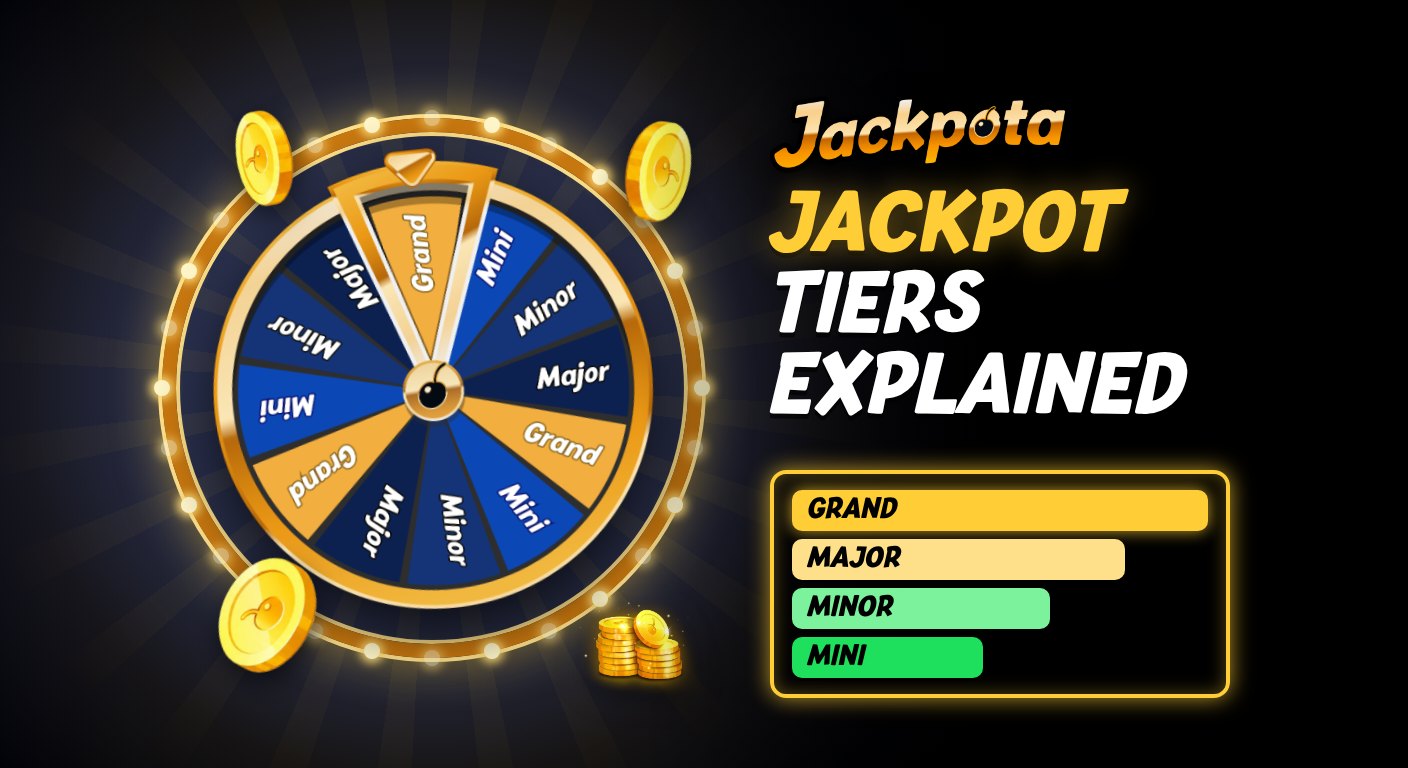
What Are Jackpot Slots? Mini, Minor, Major & Grand Explained
A quick guide to Mini, Minor, Major, and Grand jackpot tiers and how they work…